
How to Build Your Distress Tolerance Toolbox
Everyone experiences emotional pain. What separates those who manage it effectively from those who feel overwhelmed is not the absence of distress — it’s the presence of tools.
Distress tolerance is one of the four core skill areas in Dialectical Behavior Therapy (DBT), developed by Dr. Marsha Linehan. At City Behavioral Health (CBH) in Manhattan, distress tolerance skills are a cornerstone of treatment — taught not as abstract concepts, but as practical techniques clients can use in real time.
What Is Distress Tolerance?
Distress tolerance refers to the ability to survive emotional crises without making them worse. It’s not about eliminating pain — it’s about getting through it without acting in ways you’ll later regret. According to the National Institute of Mental Health (NIMH), behavioral skills training is a core component of evidence-based treatment for emotional dysregulation. Distress tolerance skills provide exactly that: a structured framework for riding out difficult moments.
Why New Yorkers Need These Skills
In a city defined by intensity — financial pressure, social comparison, professional demands — emotional crises can feel more frequent and more acute. Manhattan’s fast-paced environment doesn’t always allow time to process, which is precisely why having a reliable toolkit matters.
Building Your Toolbox: Key Distress Tolerance Skills
TIPP: Change Your Body Chemistry Fast
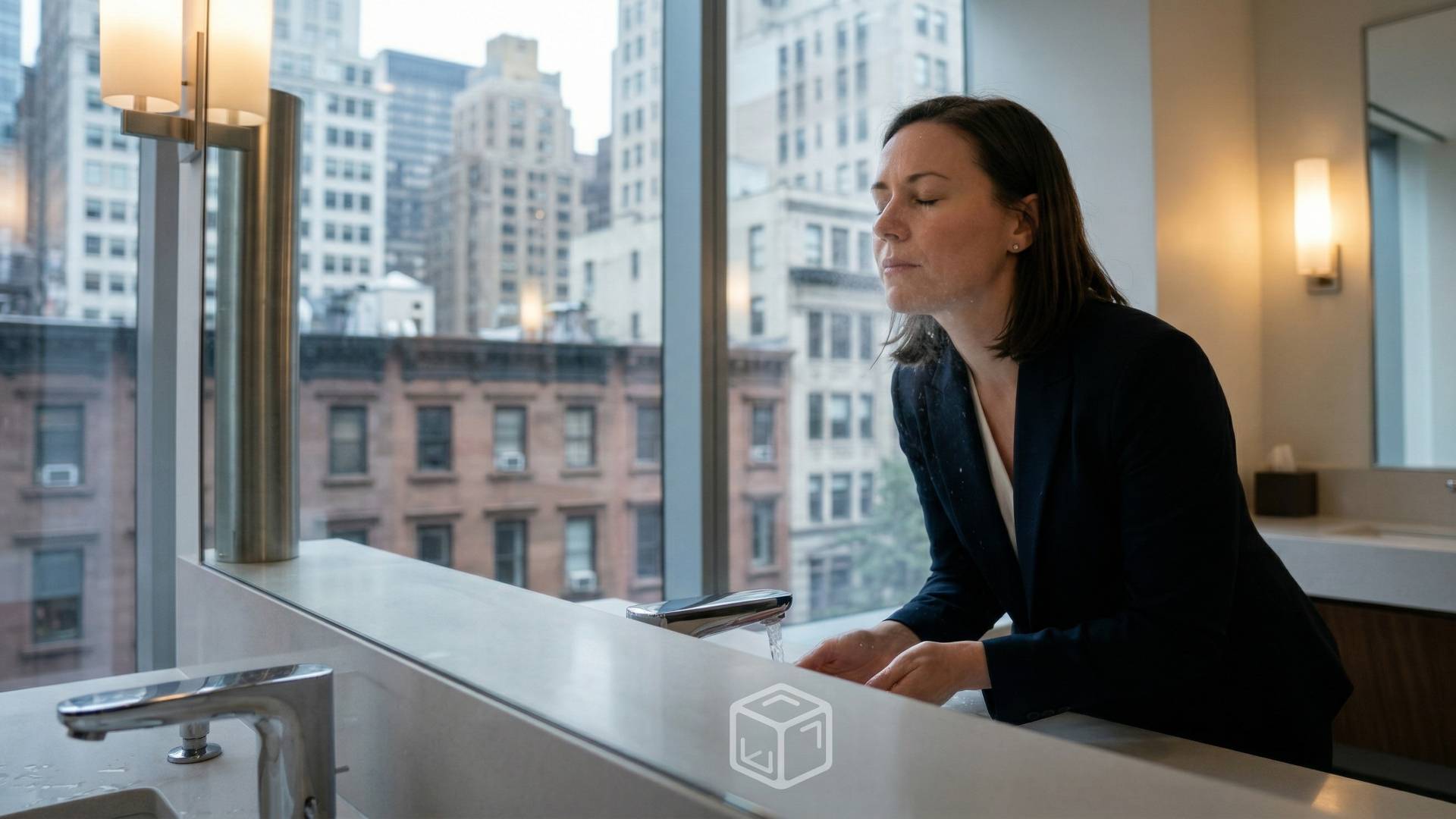
TIPP stands for Temperature, Intense exercise, Paced breathing, and Progressive muscle relaxation. These techniques work by directly regulating the nervous system — cooling down a physiological crisis response quickly and effectively.
The ACCEPTS Skills: Distract and Survive
When you can’t change a situation, distraction can prevent impulsive responses. ACCEPTS — Activities, Contributing, Comparisons, Emotions, Pushing away, Thoughts, and Sensations — offers structured ways to shift focus until the intensity passes.
Self-Soothe Using Your Five Senses
Engaging the senses (a warm cup of tea, calming music, a comforting scent) can reduce physiological arousal and bring the nervous system back toward baseline. This skill is simple, accessible, and surprisingly effective.
Radical Acceptance
One of the most powerful distress tolerance tools is also one of the most challenging: accepting reality as it is, without judgment. Radical acceptance doesn’t mean approval — it means choosing not to fight what cannot be changed, freeing energy for what can.
Pros and Cons
In moments of crisis, impulsive decisions feel compelling. The pros and cons skill creates a structured pause — asking you to weigh the consequences of acting on an urge before you do.
How CBH Teaches These Skills
At CBH, distress tolerance isn’t taught in a vacuum. Clinicians integrate skills training into individual therapy, intensive formats, and in-home services — helping clients practice in real-world contexts, not just in session.
Building a distress tolerance toolbox is not a one-time exercise. It’s a process of practice, refinement, and personalization — learning which tools work best for your nervous system, your patterns, and your life.
Start Where You Are
You don’t need to master every skill at once. Start with one — TIPP or self-soothing — and practice it consistently. Over time, your toolbox expands, and your ability to navigate distress grows with it.
Sources:
- National Institute of Mental Health (NIMH). Psychotherapies. https://www.nimh.nih.gov/health/topics/psychotherapies
- Substance Abuse and Mental Health Services Administration (SAMHSA). Mental Health. https://www.samhsa.gov/mental-health