

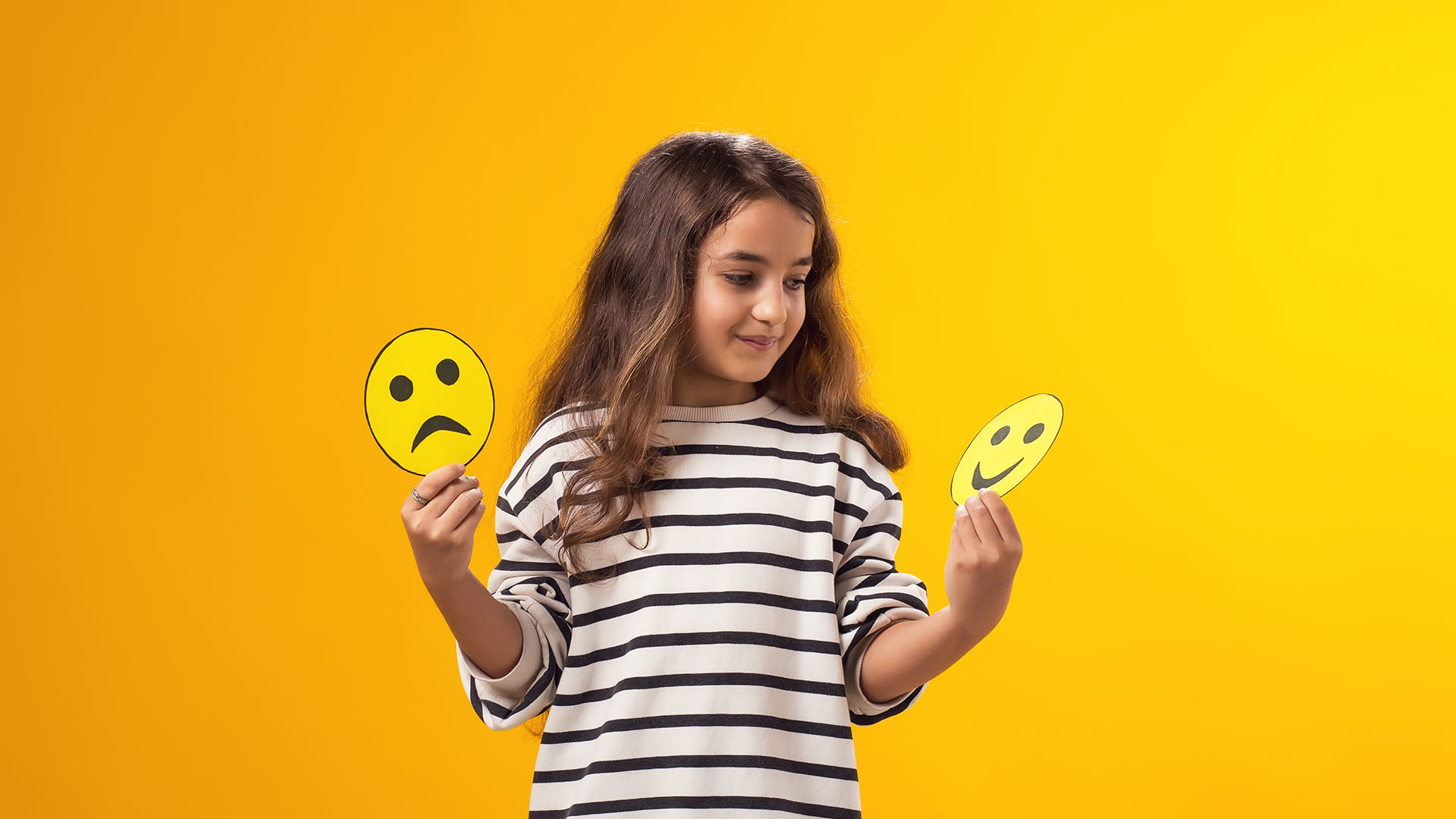
Emotional regulation — the ability to manage big feelings — is a foundational skill for children.
When kids can understand emotions and use coping strategies, they experience greater confidence, resilience, and success. Research from the National Institutes of Health (NIH) shows that emotional regulation skills are essential for healthy cognitive, social, and behavioral development¹.
How Parents Can Teach Emotional Regulation
1. Model Calm Behavior
Children learn emotional regulation by watching trusted adults.
2. Name Emotions
Labels help reduce emotional intensity and build awareness.
3. Teach Body Awareness
Kids can learn to notice signs of overwhelm such as fast breathing or tense muscles.
4. Practice Coping Tools Daily
Examples include:
- Deep belly breathing
- Counting techniques
- Sensory tools
- Movement breaks
- Quiet calming spaces
5. Use Predictable Routines
Routine provides security and reduces emotional spikes.
6. Validate Feelings
Validation increases trust and decreases intensity.
7. Problem-Solve After Calming
Once emotions settle, parents can guide children in finding solutions.
Final Thoughts
With patience, modeling, and consistent strategies, parents can help children build lifelong emotional regulation skills.
Sources:
- NIH – Child Development Research: https://www.nih.gov/news-events/nih-research-matters